You asked, we answered! A senior vice president of The Skin Cancer Foundation provides evidence-based answers to common questions about UV protection.


You asked, we answered! A senior vice president of The Skin Cancer Foundation provides evidence-based answers to common questions about UV protection.

Since 2019, our early detection campaign, The Big See, has empowered people to take a proactive approach to early detection of skin cancer. But we still have work to do, especially with certain skin cancer risk groups. Dudes, we’re looking at you.

Amid growing skin cancer rates in the U.S., health falsehoods around sun protection run rampant online, spread by social media “stars” whose legions of devoted fans have transformed them into vectors of misinformation.

A decade ago, sun protection was not considered cool or glamorous, but thanks in part to social media influencers, sun safety is (mostly) trending positive. That’s good news!

For millions of outdoor workers in the U.S. and around the world, daily sun exposure is part of the job, putting them at serious risk for skin cancer. Here’s what you need to know.
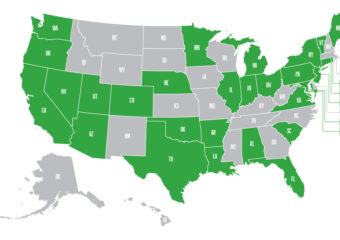
More than half of U.S. states allow sunscreen in schools, providing kids with a way to protect their skin from sun damage and skin cancer. Here’s why it matters and what you can do if your state still prohibits sunscreen in schools.

Age alone should never determine skin cancer treatment. The real concern is whether on older person is healthy enough to handle the procedure and recover well.

You asked, we answered! The Skin Cancer Foundation Photobiology Committee provides evidence-based answers to five frequently asked questions about sunscreen.

As a kid, Cassidy just wanted to have fun with her friends and get tan. She never thought it would lead to 30 basal cell carcinomas. Her Mohs surgeon and his trainee want to tell her story as a cautionary tale.

You’ve just been diagnosed with basal cell carcinoma. Now what? First, do not panic. You’re not alone, and you’re going to be OK. Skin cancer is very common — more common than all other forms of cancer combined. Here’s advice from our medical expert about what to do next.